🧠 The Science Behind Low Carb and Energy Production
🧠 The Science Behind Low Carb and Energy Production
🌟 Introduction
Ever feel drained after eating carb-heavy meals? You’re not alone. Our modern diets often rely on quick-burning carbohydrates that give a temporary energy boost followed by a crash. In this guide, we’ll explore the science of low-carb energy, how your body adapts to burning fat, and why simple veggies like carrots and beans can help sustain your energy affordably and effectively.
⚡ Why Carb-Heavy Diets Lead to Energy Crashes
When you eat carb-rich foods like bread, pasta, or sugary snacks, your blood glucose levels spike quickly, and your pancreas releases insulin to absorb it. Soon after, blood sugar drops sharply — leaving you tired and craving more carbs, the familiar “3 PM slump.”
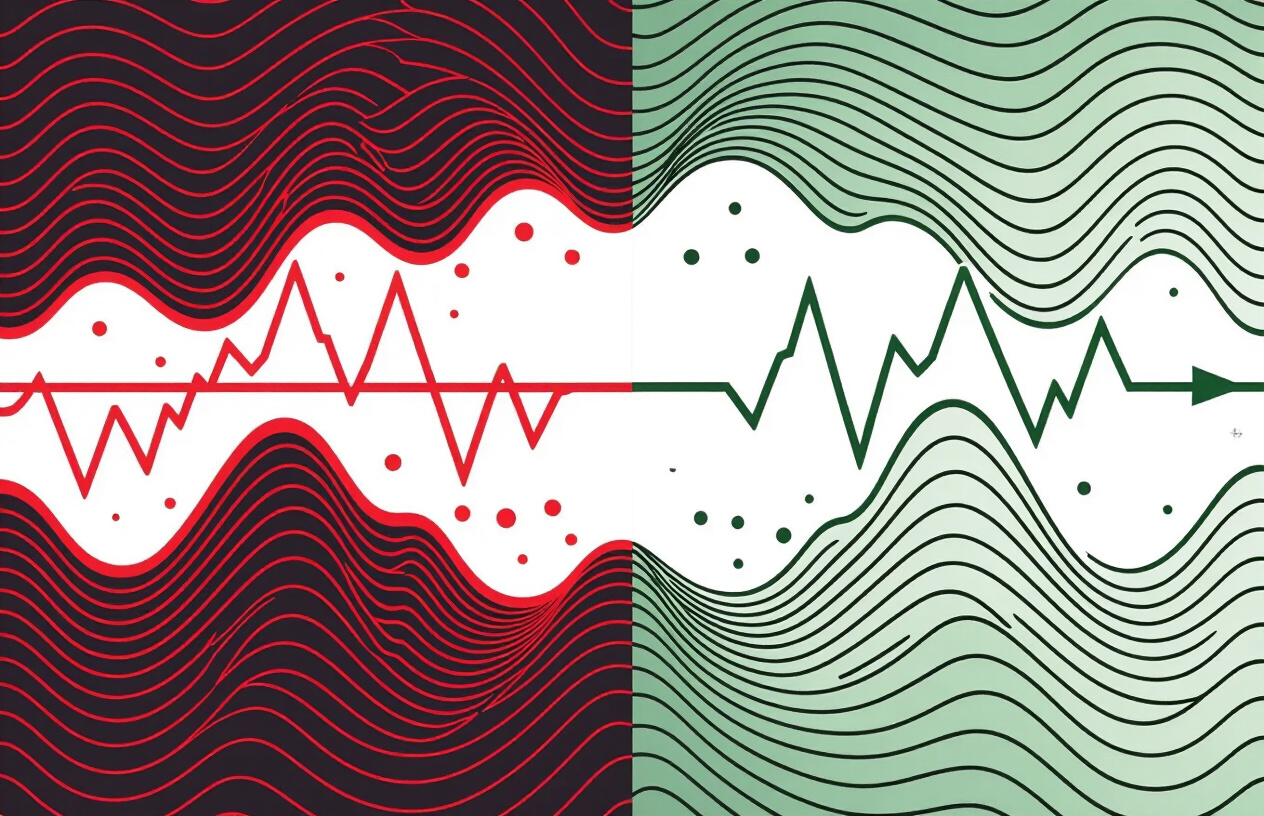
💡 Did you know? Insulin is also your body’s main fat-storage hormone. Elevated levels block fat burning and promote fat storage, as research confirms.
🔥 How Your Body Generates Stable Energy on Low Carb
Switching to a low-carb diet helps your body become fat-adapted, efficiently burning fat for energy instead of glucose. Within 2–4 weeks, your liver produces ketones, a clean fuel that provides more energy per unit of oxygen.
This leads to steady energy, mental clarity, and enhanced mitochondrial performance — your body’s energy factories working at full capacity.
✅ Result: Consistent, all-day energy without the sugar crash.
🥩 The High-Protein, Low-Carb Advantage
Protein digests slowly, giving a steady energy supply and keeping blood sugar stable. It also fuels neurotransmitters for focus, motivation, and mood while preserving lean muscle mass, which boosts metabolism.
💪 Pro tip: Include eggs, lentils, tofu, or lean meats in each meal to stay energized for hours.

🔄 Hormonal Balance — The Hidden Energy Advantage
Low-carb diets help regulate key hormones:
-
Reduce cortisol and adrenaline spikes
-
Support healthy thyroid function
-
Balance leptin and ghrelin to prevent hunger-driven fatigue
🌿 Balanced hormones = stable energy and fewer cravings.

🥕🌿 Spotlight: Carrots & Beans — Affordable Energy Powerhouses
Carrots and beans are humble yet powerful — nutrient-dense, budget-friendly, and energy-sustaining foods accessible to everyone.
🥕 Carrots
-
Packed with beta-carotene (Vitamin A), antioxidants, and fiber
-
Provide about 1g protein per cup
-
Promote eye health and steady energy release
🌿 Green Beans
-
Offer about 2g protein per 100g
-
Rich in Vitamin C, K, folate, and iron
-
Low in carbs and calories yet full of energy-supporting nutrients
Together, carrots and beans make a simple, affordable, and powerful combination — proof that healthy eating doesn’t require expensive ingredients.
🌿
To Words : We cannot eat meat and fish every day. So, eat the protein that God has provided in vegetables and greens, and your health will always be good.
💥💥💥


Comments
Post a Comment